












21/10/2026
If you run a business in Paddington, waste clearance is never just "rubbish removal". It is...
Waste Disposal Paddington provides waste disposal in Paddington for customers who need rubbish collected, sorted and removed with care. The service suits everyday household waste, bulky items, mixed clearances and heavier materials from renovation work, with a practical focus on keeping the process straightforward. If you need a one-off collection or a larger clearance, the main aim is to help you deal with unwanted items efficiently and in a way that leaves the space ready for its next use.
Our work covers a broad range of disposal needs rather than a single type of collection. That includes domestic waste, furniture, appliances, garden material, builders’ waste and business rubbish, along with dedicated clearance options for lofts, houses and offices. The right service depends on the amount of waste, the kind of material involved and how it is stored or accessed. For a quicker first step, take a look at the service pages and choose the option that best matches what needs removing.
When you are ready to move ahead, it helps to compare the scope of the job with the available collection types and then request a quotation based on the items involved. Clear information about volume, access and the kinds of materials to be taken away makes it easier to plan the work. If you are unsure which route to choose, start with a general waste disposal enquiry and refine the details from there.
General waste disposal is the broadest option when the load includes a mixture of items rather than one tidy category. It can suit sacks of household rubbish, broken furnishings, accumulated clutter and varied waste from flats or shared buildings. This type of service is useful when you want the collection to be organised around the actual contents of the load, not around a rigid list that leaves you trying to split items into separate bookings.
For smaller or more routine clear-outs, rubbish collection in Paddington offers a straightforward way to remove loose waste from properties, outbuildings or storage areas. It is often a practical choice where the task is more about clearing accumulated refuse than dismantling or separating specialist items. If the material is already bagged or gathered together, the collection can usually be focused on removal, handling and disposal rather than preparation on your side.
Different waste streams call for different handling. Domestic rubbish may be light but awkward, while mixed clearances can involve heavier furniture, packaging, damaged fittings or items that need lifting carefully. A useful starting point is to think about what you want to keep separate, what can be grouped together and whether anything needs a particular disposal route. Choosing the right category early helps avoid unnecessary back-and-forth when the collection is being arranged.
Household waste services are designed for the everyday items that build up in homes over time, from general rubbish to unwanted furniture and broken appliances. A domestic collection is often best when you are clearing a room, emptying storage or dealing with several items that no longer have a use in the property. The approach is practical and flexible, with the emphasis on removing what is no longer wanted without turning the job into a larger project than it needs to be.
Where the load includes sofas, wardrobes, tables, chairs or similar items, furniture disposal in Paddington gives those pieces a clear route away from the property. If the items are still in usable condition but no longer needed, they may simply be taken as part of the clearance; if they are damaged or worn out, disposal becomes the obvious route. Either way, bulky furniture is often easiest to handle as its own category because of its size and weight.
For larger household jobs, house clearance is the natural step when the contents of one or more rooms need to go together. This can include assorted domestic items, stored belongings, old furnishings and general waste gathered from around the property. It is especially useful where the task involves more than a simple collection, because it gives the work a clear structure and helps the removal be planned around the volume and layout of the home.
Not every collection is about light household rubbish. Some jobs involve white goods, large fittings or heavier objects that need extra care when moving through stairwells, communal hallways or narrow access routes. These items may be awkward because of their size, their weight or the need to separate them from general waste. A well-planned disposal service keeps that handling focused and makes it easier to remove bulky pieces without disrupting the rest of the property.
Where fridges, washing machines, cookers or similar equipment need to go, white goods and appliance disposal is the relevant option. Appliances are different from ordinary rubbish because they are typically larger, heavier and may contain parts that need careful treatment. They are best considered separately from loose waste so that the collection can be matched to the item type and the physical effort involved in moving it out safely.
Some customers also need furniture removal where the priority is not just disposal but the practical lifting and carrying of awkward items from inside the building. That can make a difference in homes with limited access, multiple floors or items that are difficult to move alone. Clear access and an accurate item list help make these collections more efficient, but the main point is that bulky work should be matched to the real size of the job rather than treated as ordinary bagged rubbish.
Building work produces a very different type of waste from a household tidy-up. Plaster, timber offcuts, packaging, broken fixtures and mixed site debris can pile up quickly and take up valuable working space. That is why builders’ waste removal is usually handled as a separate service, with the collection arranged around the character of the material rather than the simple question of how many bags there are. It is a sensible option for refurbishment jobs, property updates and small construction projects.
For renovation residue and heavier site material, builders’ waste disposal in Paddington is the most direct fit. It can cover mixed waste from light works through to more substantial debris, provided the collection is suitable for the material involved. The key decision is whether the load is mainly construction waste, mixed household-and-site waste or something that should be split into another category. That makes the quotation stage more accurate and the removal easier to organise.
Business and shared-building waste needs a slightly different approach because timing, access and the volume of material can matter just as much as the type of item. Office furniture, filing materials, surplus stock, packaging and general rubbish all need to be handled in a way that fits the working environment. A commercial collection is useful when you want the disposal to fit around property use rather than disrupt it, especially in buildings where keeping common areas clear is important.
Where workplace items need to be removed, office clearance is the most relevant service. It is designed for desks, chairs, shelving, paperwork-related waste and other items that accumulate in commercial premises. If the removal includes a mixture of furniture and smaller office rubbish, it can usually be planned as one organised clearance rather than several separate collections. That keeps the job focused and helps reduce the chance of items being left behind.
For traders, landlords and managers who need a regular or one-off waste solution, commercial waste removal provides a broader option. It can suit premises that produce recurring waste, stock-related packaging or general refuse from occupied spaces. When arranging this type of work, it is useful to consider the collection point, the likely access route and whether the material is mainly office waste, customer-area rubbish or mixed business disposal.
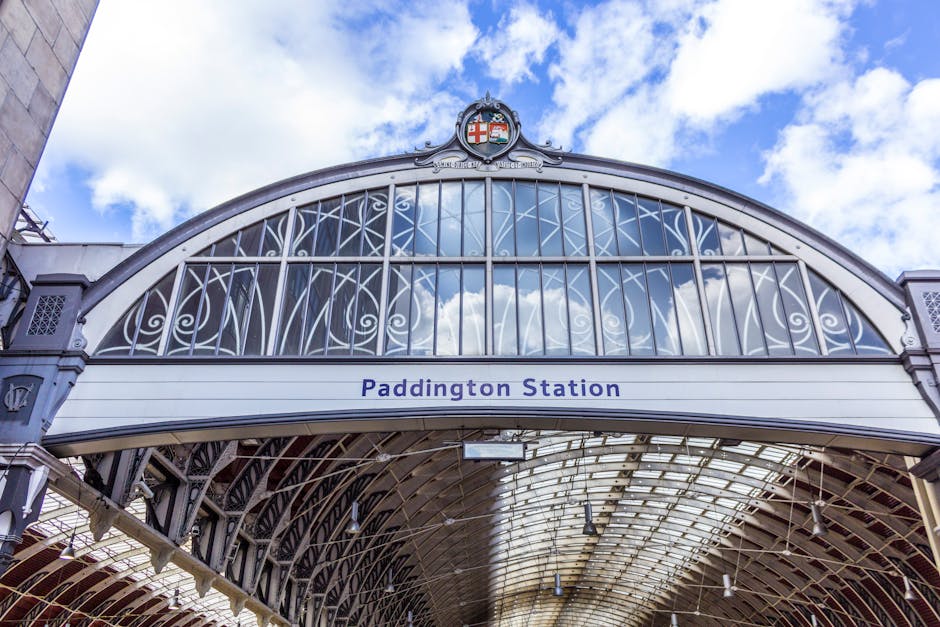
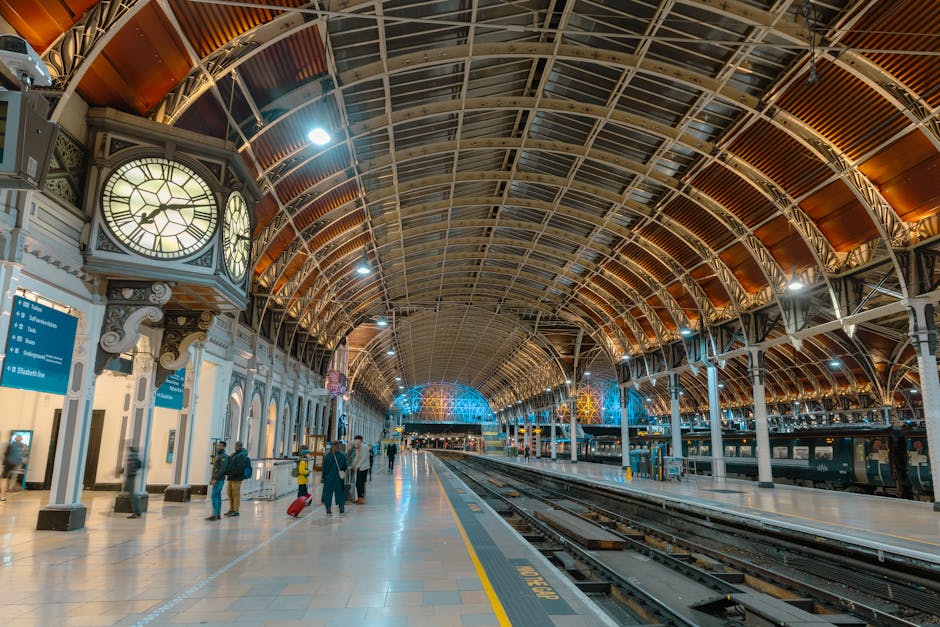
Paddington is a district in central London within the City of Westminster, known for its mixture of transport infrastructure, canals, terraces and large-scale urban development. The area takes its name from the old parish and village that existed long before the modern city spread westward, and it still retains traces of that earlier history in street patterns and local landmarks. Paddington Station is one of the most recognisable transport hubs in the capital, originally opened in the nineteenth century and later expanded into a major interchange for rail and Underground travel. The surrounding streets combine commercial frontage, residential mansion blocks and hospitality buildings, creating a dense urban landscape that changes noticeably from one block to the next.
Not all disposal work starts with the obvious open room or front-of-house collection point. Gardens, lofts, basements and storage areas can accumulate a surprising amount of unwanted material, especially when items have been left for a long time or are mixed with ordinary household belongings. These spaces often require a more careful approach because access can be tighter and the contents more varied. The right service depends on whether the material is mostly green waste, stored domestic items or a mixture of both.
When the waste is organic or garden-based, garden waste removal provides a clear route for cuttings, branches, soil and other outdoor material. It is particularly useful after pruning, seasonal tidying or landscaping work, where the waste is too bulky to leave in ordinary bags and too mixed to treat as simple household rubbish. If your outdoor space contains broken planters, old fencing or mixed debris as well, those details help determine how the collection should be set up.
For storage spaces that have become crowded, loft clearance is the better choice. Lofts often contain boxes, forgotten household items, old decorations and a mixture of light and bulky material. The most important consideration is access, because narrow staircases or limited headroom can affect how items are moved. A good clearance plan takes the layout seriously so that the work is organised around what is actually in the space, not around assumptions about easy removal.
Cost is usually influenced by the amount of waste, the type of material, how easy it is to access and whether the items need lifting from inside the property or from a straightforward loading point. A mixed collection may take more sorting than a uniform one, while heavy or awkward items can require more handling. That is why a useful quotation is best built from the actual job details rather than from a generic estimate. If you are comparing options, it is worth thinking about what is included in the load and whether anything needs specialist treatment.
For customers who want a clear overview of the commercial structure, prices and pricing and quotes are the natural pages to review before sending details. Those pages help set expectations for how the service is approached, while the final quotation depends on the specifics of the collection itself. We also keep safety and compliance front of mind through our insurance and safety information and our waste carrier licence and compliance page, which are both useful if you want to understand how disposal is handled.
Prepare a quote well by listing the main item types, the approximate quantity and any access issues such as stairs, parking or restricted entry. If helpful, note whether the job is a household clearance, commercial collection or builders’ waste removal, because that gives a more accurate starting point. A concise description is usually enough to begin, and then the collection can be shaped around the details you provide.
Before asking for a quotation, it can be useful to decide whether you want a single clear-out, a recurring collection or a removal linked to renovation, moving or refurbishment. That choice helps narrow the service category and keeps the conversation focused on the right type of waste. You do not need a long explanation; a short, factual summary of what needs removing is often enough to move things forward. If your load includes mixed materials, say so plainly so the quotation can reflect the actual task.
Some customers also find it useful to review how the company approaches payment and practical administration before proceeding. The payment and security page sets out the general approach, while services overview can help you compare the main collection types in one place. If you are still deciding between a domestic, commercial or clearance-based option, those pages can make the next step easier without requiring you to guess which service fits best.
For a quotation, use the contact page and send the details of your waste, access and preferred collection type. Contact us for a quote when you are ready, and we will help you match the job to the right disposal service. If you prefer to prepare first, read through the relevant service page and then make the enquiry once you have the information to hand.

GET A FREE QUOTE
Too sick to move junk? Our team is here to help you out!
Our waste disposal Paddington company is the best one to call when you want to get rid of rubbish fast!
 Tipper Van - Waste Disposal and Rubbish Removal Prices in Paddington, W2
| Space іn the van | Loadіng Time | Cubіc Yardѕ | Max Weight | Equivalent to: | Prіce* |
| Minimum Load | 10 min | 1.5 | 100-150 kg | 8 bin bags | £90 |
| 1/4 Load | 20 min | 3.5 | 200-250 kg | 20 bin bags | £160 |
| 1/2 Load | 40 min | 7 | 500-600kg | 40 bin bags | £250 |
| 3/4 Load | 50 min | 10 | 700-800 kg | 60 bin bags | £330 |
| Full Load | 60 min | 14 | 900-1100kg | 80 bin bags | £490 |
*Our rubbish removal prіces are baѕed on the VOLUME and the WEІGHT of the waste for collection.
 Luton Van - Waste Disposal and Rubbish Removal Prices in Paddington, W2
| Space іn the van | Loadіng Time | Cubіc Yardѕ | Max Weight | Equivalent to: | Prіce* |
| Minimum Load | 10 min | 1.5 | 100-150 kg | 8 bin bags | £90 |
| 1/4 Load | 40 min | 7 | 400-500 kg | 40 bin bags | £250 |
| 1/2 Load | 60 min | 12 | 900-1000kg | 80 bin bags | £370 |
| 3/4 Load | 90 min | 18 | 1400-1500 kg | 100 bin bags | £550 |
| Full Load | 120 min | 24 | 1800 - 2000kg | 120 bin bags | £670 |
*Our rubbish removal prіces are baѕed on the VOLUME and the WEІGHT of the waste for collection.
If you run a business in Paddington, waste clearance is never just "rubbish removal". It is...

If you need rubbish collected in W2, the two things that matter most are usually the same: what...

If you need rubbish gone quickly, the last thing you want is a slow back-and-forth over photos,...
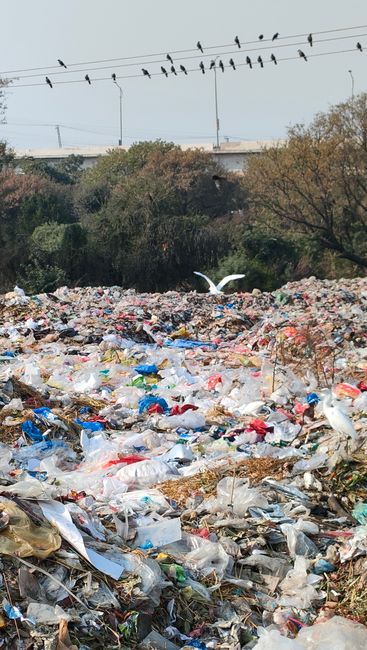
If you own or manage property in Paddington, illegal dumping is one of those problems that can...
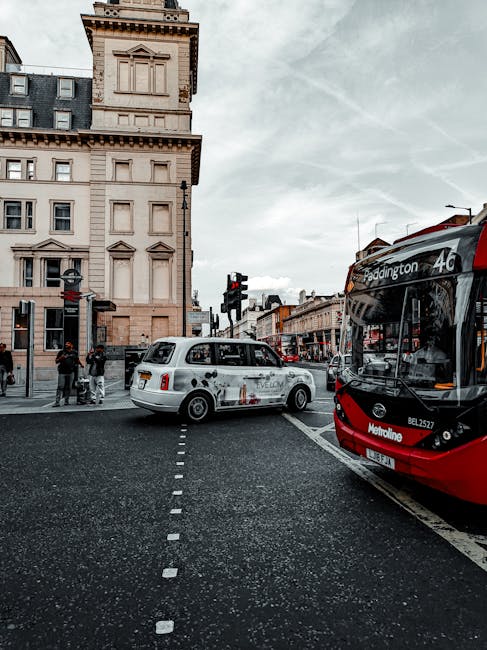
If you run a shop on Praed Street, waste is never far from the day-to-day rhythm.
If you own, rent, manage, or clear a property in Paddington, bulk waste can turn into a small...
Skip hire should be simple. You ask for a price, the skip arrives, you fill it, and the waste...
If you manage rental property in Paddington, you already know how quickly a small waste problem...

If you live in a W2 maisonette near Little Venice, you'll know garden waste has a habit of...
If you are trying to sort out bulky waste near St Mary's Hospital in Paddington, you are probably...

Fly-tipping is one of those problems that can turn a normally tidy street into a frustrating mess...

If you need rubbish removed from Praed Street quickly, you are usually dealing with one of three...

 (84)
(84)