Little Venice (Paddington) garden waste pickup for W2 maisonettes
Posted on 26/05/2026
Little Venice (Paddington) Garden Waste Pickup for W2 Maisonettes: A Practical Local Guide
If you live in a W2 maisonette near Little Venice, you'll know garden waste has a habit of building up at the worst possible time. One weekend you trim the hedge, clear the patio pots, and suddenly there's a green mountain of cuttings, branches, soil, and old plant debris sitting where your bin should be. It's messy, it smells a bit earthy in that damp-London way, and if you leave it too long, it starts to feel like one more job nobody wants to do.
This guide breaks down Little Venice (Paddington) garden waste pickup for W2 maisonettes in plain English: what it involves, how collection usually works, what to watch out for, and how to choose a sensible pickup option for a smaller property with shared access, limited storage, or no easy place to keep bags of waste. If you need a broader service alongside garden clearance, it can help to look at garden waste removal in Paddington and the wider services overview as well.
Truth be told, maisonettes are often the awkward middle ground: not quite a house with a big side gate, not quite a flat with a managed courtyard. So the details matter. A good pickup service should fit your access, your timing, and your neighbours. That's what this article is here to help with.
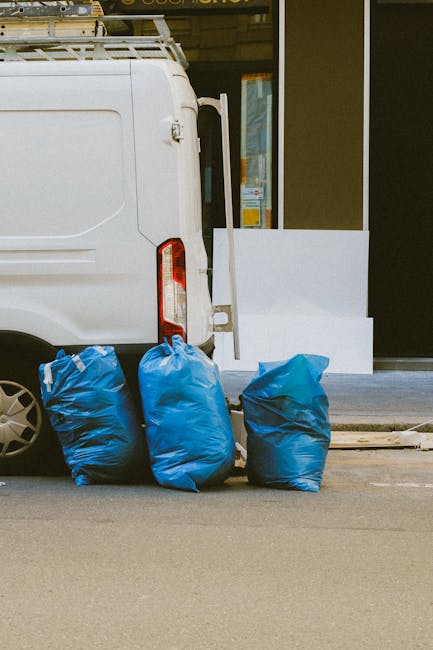
Why Little Venice (Paddington) garden waste pickup for W2 maisonettes Matters
Garden waste sounds simple until you live above, below, or beside other people. In Little Venice and the wider Paddington W2 area, many maisonettes have compact front gardens, shared rear access, narrow side passages, or staircase entry. That changes everything. A pile of hedge trimmings might be easy enough to carry from a suburban driveway, but in a maisonette it can become a nuisance very quickly.
Pickup matters for three main reasons. First, it keeps shared spaces usable. No one wants a hallway, front step, or communal path blocked by bags of cut branches. Second, it helps with hygiene and presentation. Wet grass clippings can go sour, and a stack of old compost bags in summer is not exactly pleasant. Third, it saves time. If you've already spent Saturday pruning and sweeping, do you really want to spend Sunday trying to fit everything into a car boot or waiting for a council slot that may not match your schedule?
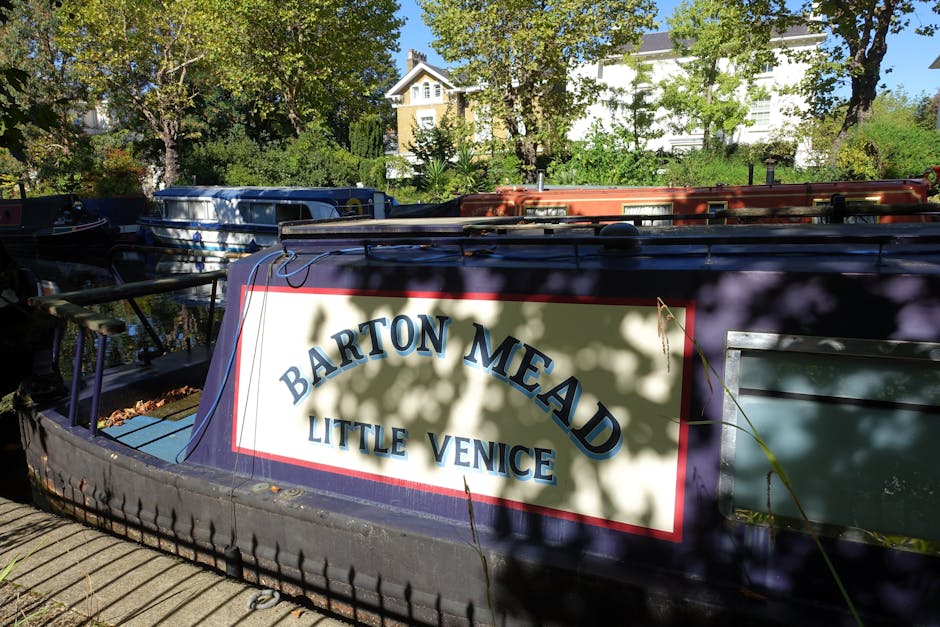
There's also a local factor. Little Venice has a certain character: tree-lined streets, terraces, canal-side calm, and properties that often sit close together. That charm is part of the appeal, as noted in Paddington living: a local's perspective and Paddington in London: the best of both worlds. The same compactness that makes the area attractive can make waste handling a bit fiddly. Garden waste pickup solves the awkward part.
Key point: in maisonettes, garden waste removal is not just about convenience. It's about access, tidiness, neighbour consideration, and making sure organic waste is handled in a way that feels orderly rather than chaotic.
How Little Venice (Paddington) garden waste pickup for W2 maisonettes Works
Most garden waste pickups follow a fairly straightforward pattern, though the best service is always tailored to the property. For a W2 maisonette, that usually means the collector checks how waste can be reached, how much there is, and whether the material needs bagging, bundling, or loose loading.
In practice, it tends to work like this:
- You describe the waste. For example: hedge cuttings, grass, soil, small branches, old compost, plant pots, or a mix of everything after a bigger tidy-up.
- You explain access. Is there front-only access? A shared hallway? Steps? A narrow side return? Can a vehicle stop outside, or will everything need to be carried further?
- A quote is given. This is often based on volume, type of waste, and how easy it is to load. Garden waste is usually simpler than mixed rubbish, but heavy soil or wet branches can change the job.
- Pickup is arranged. Many customers prefer a same-day or next-day collection after a weekend gardening session. Others book ahead to coordinate with a landlord, neighbour, or gardener.
- The waste is removed and sorted. Reputable operators will separate recyclable organic material where possible and dispose of the rest properly. If you want to understand how sustainability is handled more broadly, see recycling and sustainability.
A small but important detail: garden waste from maisonettes can be more mixed than people expect. A bag might contain rose clippings, broken terracotta, a bit of old soil, and some plastic twine that was stuck to a plant support. That's normal. It just means the service needs to be clear about what is included so there are no surprises on the day.
If your project is part of a larger clear-out, you may also want to compare it with rubbish collection in Paddington or even waste clearance in Paddington where different waste types can be handled together.
Key Benefits and Practical Advantages
For W2 maisonettes, the benefits go beyond just "getting rid of the bags". A good pickup service can make a noticeable difference to the way the property feels and functions.
- Less clutter in tight spaces: Maisonettes rarely have spare outdoor storage. Removing waste quickly keeps patios, steps, and paths clear.
- Better neighbour relations: Shared access means your waste can't just sit around. Pickup keeps everyone happy, or at least less annoyed.
- Improved kerb appeal: If you're renting, selling, or simply keeping the place in decent nick, a tidy frontage matters.
- Safer movement through the property: Wet bags, loose branches, and sharp cuttings can cause trips or scratches. Not ideal.
- More flexible than council timing: A private pickup can often be arranged around your gardening schedule, not the other way round.
- Useful for seasonal jobs: Spring pruning, summer mowing, and autumn leaf clearance all come with different volumes of waste.
There's a simple truth here: once the waste is gone, the whole job feels finished. That last bit matters more than people admit. A garden half-cleared, with bags waiting by the door, still feels like work. Once collected, though, the space opens up again. You notice the light, the line of the paving, even the smell of damp soil after rain. Small thing, big difference.
If your household values careful handling and tidy turnaround, it can also help to review the company's general standards around insurance and safety and about us before booking.
Who This Is For and When It Makes Sense
This kind of pickup is a strong fit for a few common situations. If any of these sound familiar, you're probably the target audience.
- Maisonette owners with a small front garden: The classic case. A few bags of cuttings can become an eyesore quickly.
- Landlords and managing agents: When a tenant has tidied the outdoor space, waste still needs removing promptly.
- Busy households: You did the gardening, but the car is too small and the local disposal site is not exactly a joy to visit on a Sunday.
- Elderly residents or anyone with limited lifting ability: Heavy bags of soil and branches are awkward, to say the least.
- People doing a bigger refresh: If you've also got old furniture, broken planters, or bagged junk alongside the garden waste, you may need a broader removal service such as house clearance in Paddington or furniture removal in Paddington.
It makes the most sense when the waste is too much for your normal bin, too awkward for a quick car trip, or too time-sensitive to leave lying around. In Little Venice, where entrances can be compact and frontages neat, people often want the waste gone the same day. That's a reasonable expectation.
And if your property sits in a busier street where loading needs to be quick and unobtrusive, planning becomes even more important. That's where a local provider with practical experience really helps.
Step-by-Step Guidance
Here's a simple, realistic way to organise garden waste pickup without making a mountain out of a molehill.
- Sort the waste first. Separate green waste from anything else. Branches, clippings, leaves, old plants, and soil usually need different handling from general rubbish.
- Check access points. Measure narrow gates, side passages, or stairwells if you know they're tight. A quick photo is often better than a long explanation.
- Bag or bundle sensibly. Use sturdy bags and don't overfill them. Wet grass gets heavy fast. Very fast.
- Remove hazards. Pull out sharp stakes, broken pots, or stray wire ties. A cleaner load is quicker and safer to handle.
- Ask for a clear quote. Make sure it reflects the actual volume and access conditions. If you also have domestic clutter, see domestic waste collection in Paddington for related support.
- Choose a convenient slot. Morning pickups can work well in Little Venice because the street is often quieter and loading is less disruptive.
- Keep the route clear. On collection day, make sure bags are easy to reach and the path is not blocked by bikes, prams, or plant pots.
- Confirm disposal details. A proper operator should be clear about sorting, transfer, and lawful disposal.
A tiny bit of forethought saves a lot of carrying. I've seen jobs where twenty minutes of sorting cut the removal time in half. That's the sort of thing nobody celebrates, but everyone appreciates afterward.
Expert Tips for Better Results
Experienced customers usually get better value because they prepare the job properly. Nothing flashy, just practical habits.
1. Don't mix garden waste with general rubbish unless you have to
Mixed loads are possible, of course, but they can complicate pricing and recycling. Keep green waste separate if you can. It helps the collection go smoother and often makes the job cleaner from a disposal point of view.
2. Deal with moisture early
If you've cut grass or pruned after rain, let the waste drain a bit if possible. Soaked material is heavier and more awkward to lift. In a maisonette with stairs, that matters.
3. Think about neighbours and shared paths
Even a short-term pile can get in the way. If you live in a building with a shared entrance, try to schedule pickup so bags are out for the shortest possible time. That small courtesy goes a long way.
4. Be honest about volume
It's tempting to understate how much there is. Don't. The quote only works properly if the waste volume and access are described accurately. A few extra bags can change the whole picture.
5. Use the job as a reset point
Garden pickup is often the moment people also clear broken garden furniture, cracked planters, or old household items sitting by the back door. If that's you, a broader service such as garden waste removal alongside furniture disposal in Paddington can be more efficient than booking several small visits.
One last tip, and this sounds obvious but gets forgotten: take a quick "before" photo if you're managing a tenancy or shared property. It avoids the usual "was that there already?" debate. Human nature, eh.

Common Mistakes to Avoid
Most problems are avoidable. The same few mistakes crop up again and again, especially in compact properties.
- Leaving waste outside too long: Rain, foxes, and drifting leaf litter can turn a neat pile into a miserable one.
- Assuming all garden waste is the same: Soil, logs, turf, and branches may need different handling or may affect the quote.
- Blocking shared access: In maisonettes, a front step or communal path is not the place for a day-long storage project.
- Ignoring hidden extras: Old compost sacks, plant pots, canes, and broken trellis are often mixed into the load.
- Booking only on price: The cheapest option is not always the best if it means poor communication, missed timings, or a sloppy finish.
- Not checking disposal standards: You want a provider that handles waste responsibly, not one that leaves you guessing.
To be fair, garden waste can look harmless, which is exactly why people underestimate it. Then it's Monday, the bags are still there, and the hallway smells faintly of wet grass. Nobody wants that.
Tools, Resources and Recommendations
You do not need special equipment for every job, but a few basic tools make garden waste pickup much easier.
| Tool or Resource | Why It Helps | Best For |
|---|---|---|
| Strong garden waste bags | Stops splits and makes loading faster | Grass, leaves, mixed cuttings |
| Secateurs or loppers | Lets you reduce branch size before collection | Pruning jobs |
| Dustpan or stiff brush | Keeps steps and paths tidy after clearing | Frontages, patios, shared entries |
| Tarp or sheet | Makes it easier to drag cuttings to one place | Larger garden tidy-ups |
| Phone camera | Helps show the amount and access conditions | Quotes and booking |
For service planning, these pages are genuinely useful: pricing and quotes if you want to understand how pricing is approached, payment and security if you prefer to know how transactions are handled, and waste carrier licence and compliance if you want reassurance on lawful collection practices.
If you're still weighing options, the service range page can help you compare garden pickup with builders waste disposal in Paddington, appliance disposal, or more general clearance work. Different mess, different approach.
Law, Compliance, Standards, or Best Practice
Garden waste removal is one of those services where compliance quietly matters. You may not see it happening, but it should be there in the background. In the UK, waste must be handled and transferred lawfully, and reputable operators are expected to follow the appropriate licensing and disposal requirements. The exact process depends on the job and the operator's setup, but the principle is simple: waste should go to a legitimate facility and be dealt with responsibly.
For a homeowner or landlord, the practical takeaway is this: use a provider that can explain how they operate, what they collect, and how they manage disposal. If they can't answer those questions clearly, that's a warning sign. Not dramatic, just sensible.
In Little Venice and Paddington, best practice also includes:
- Protecting shared access: Keep hallways, steps, and entrances clear.
- Minimising disruption: Arrange pickup times that suit the building and street layout.
- Sorting recyclables where possible: Green waste should be handled with recovery in mind where feasible.
- Using clear communication: The more accurate the description, the better the collection outcome.
If you'd like to check wider service standards and company policies, the site's terms and conditions, privacy policy, and accessibility statement are also worth a quick look. They may not be thrilling reading. Still useful, though.
Options, Methods, or Comparison Table
People usually choose between three practical approaches: waiting for council collection, doing a self-haul, or booking a private pickup. Each has its place.
| Option | Best For | Pros | Cons |
|---|---|---|---|
| Council or scheduled collection | Small, routine volumes | Can be low cost and familiar | Less flexible timing; may not suit bulky or urgent loads |
| Self-haul to a disposal site | Households with a suitable vehicle and time | Direct control over the trip | Heavy lifting, parking, queues, and your own labour |
| Private garden waste pickup | W2 maisonettes, urgent clear-ups, awkward access | Fast, convenient, access-aware | Usually costs more than doing it yourself |
For many maisonettes, the private pickup option wins because it solves the real problem, not just the waste. If your staircase is narrow, your bike is already parked in the hall, and you're not keen on loading damp branches into a car at 7pm, the value becomes obvious.
That said, for small amounts of clippings or a couple of bags, a simpler solution may be enough. The right choice depends on volume, urgency, access, and whether you want the task off your plate quickly. No need to overcomplicate it.
Case Study or Real-World Example
Imagine a maisonette near the canalside side streets of Little Venice. The front garden is small but well kept, with a box hedge, a few pots, and a narrow entrance path shared with a neighbour. After a weekend of pruning, there are six bags of hedge cuttings, one bundle of thicker branches, and a broken planter that was sitting by the wall for months.
The owner wants the waste removed before Monday because the path needs to stay clear for deliveries. A quick phone consultation covers the waste type, confirms the shared access, and identifies the best collection point. The team arrives in the morning, keeps the loading tidy, removes the waste in one visit, and leaves the frontage clean. Nothing dramatic. Just a smooth job.
What made it work?
- The waste was described honestly.
- Access was explained clearly.
- The waste was bagged and grouped before collection.
- The booking was timed to avoid disruption.
That's usually the difference between a stressful job and a forgettable one. And forgettable, in waste removal, is actually good. Very good.
If the project had included more than garden waste, the owner might have added a broader service such as waste disposal in Paddington or house clearance. But for a neat outdoor tidy-up, a targeted pickup was enough.
Practical Checklist
Use this checklist before you book garden waste pickup for a W2 maisonette.
- Have you separated garden waste from general rubbish?
- Are bags or bundles sturdy enough to carry safely?
- Have you checked access through gates, hallways, or side passages?
- Is there a clear place for collection without blocking neighbours?
- Have you included soil, pots, canes, and branches in your count?
- Do you know roughly how much waste there is?
- Have you taken photos if the load is awkward or mixed?
- Have you chosen a time that suits the building and street?
- Do you know whether the provider is properly licensed and compliant?
- Have you read the pricing and payment information?
Quick takeaway: the smoother the prep, the smoother the pickup. Simple as that.
Conclusion
For Little Venice and Paddington W2 maisonettes, garden waste pickup is really about fit. Fit for narrow entrances, shared access, limited storage, and the everyday reality of living in a compact London property. When the service is well planned, the whole job feels lighter: less lifting, less waiting, less mess hanging around by the front door.
The best results come from clear communication, sensible sorting, and choosing a provider that understands local access conditions. Whether you're clearing a small front garden, tidying after seasonal pruning, or dealing with a bigger mixed load, the goal is the same: keep things tidy, quick, and properly handled.
And honestly, there's a quiet satisfaction in seeing the last bag disappear. The space looks bigger, the air feels fresher, and suddenly the garden is a place again, not a storage area. That's a good feeling.
Get a free quote today and see how much you can save.


 Tipper Van - Waste Disposal and Rubbish Removal Prices in Paddington, W2
 Luton Van -